Introduction to a Forgotten Laird
I am drawn to the shadows of history, where lesser-known characters like Alexander Hamilton of Grange whisper their stories like echoes in an ancient hall. Born around 1690 in rough Ayrshire, Scotland, this man was no footnote. He was the laird of Grange, a small Stevenston Parish land he inherited and managed during the turbulent 18th century. From the late 17th century to his death on May 14, 1763, economic and family changes characterized his life. He combined old-world nobility with new-world ambition as Alexander Hamilton’s paternal grandpa. See him as the solid oak root from which a transatlantic branch would grow, influencing history beyond Ayrshire.
His early years are unknown, but by 1711, he married Elizabeth Pollock, establishing his lineage. They had 14 children between 1712 and 1732, demonstrating the era’s emphasis on large families as legacy and work force. I envisage the Grange estate full with youngsters amid Scotland’s changing agricultural setting.
The Ancestral Roots: Parents and Grandparents
Delving into his origins, I trace Alexander’s lineage back to his parents, John Hamilton of Grange and Rebecca Cuninghame. John, born in 1652 and passing in 1695, was the previous laird, a figure who embodied the resilience of minor Scottish nobility. Rebecca, born around 1650, brought connections to the Cuninghame clan, infusing the family with ties to broader aristocratic networks. Their union in the late 17th century set the stage for Alexander’s inheritance.
Further back, his grandparents paint a vivid portrait of intertwined clans. Sir John Hamilton of Grange, his paternal grandfather, and Elizabeth Crawford, his paternal grandmother, represented the core Hamilton strength. On the maternal side, Alexander Cuninghame and Janet Cuninghame added layers of kinship, their lives weaving a tapestry of alliances in Ayrshire’s social fabric. These forebears, with roots possibly extending to the 1600s, provided the foundation upon which Alexander built his life. It’s like peering into a genealogical mirror, reflecting patterns of marriage and inheritance that sustained the gentry through turbulent times.
His great-grandparents, including William Stephen Hamilton and others in the extended web, further enriched this heritage. William Stephen, for instance, linked to earlier generations, highlighting how the Hamiltons of Grange were a junior branch of a grander dynasty, much like tributaries feeding a mighty river.
Marriage and Immediate Family: Building a Dynasty
Alexander married Elizabeth Pollock, daughter of Sir Robert Pollock, in 1711, raising his social status and producing 14 children. Elizabeth, who survived him, was his faithful estate manager. Daughters and sons born over two decades carried the family onward.
John, the heir, Robert, another Alexander, possibly pursuing medicine, James, who emigrated to the West Indies and fathered Alexander Hamilton, Walter, George, William, Archibald, Gavin, Arthur, and Henry were the 11 sons.
Elizabeth married Robert Cunninghame in 1713, Margaret to Reverend Thomas Pollock in 1719, and Jean in 1725 strengthened the family. I observe that this huge family was a blessing and a burden, stretching resources but maintaining continuity. Some stayed in Scotland, while others left, expressing the era’s nomadic spirit.
Extended Kin: Grandchildren and Beyond
Alexander’s legacy extended through his grandchildren, particularly via his son James. James A. Hamilton, one of the grandchildren, and Alexander Hamilton Jr., another, carried the name forward. But the most illustrious was the American Alexander Hamilton, born in 1755 or 1757 to James and Rachel Fawcett in the Caribbean, who would rise to shape the United States’ financial system.
Other grandchildren included figures like James Hamilton Jr. and those from his heir John’s line. The web expands to great-grandchildren, with connections back to earlier generations, illustrating a family tree that sprawled across continents. I see it as a living vine, twisting from Scottish soil to American shores, with each generation adding new tendrils.
To visualize this intricate network, here’s a simplified family tree table:
| Generation | Key Members | Birth/Death Years | Notable Roles/Connections |
|---|---|---|---|
| Great-Grandparents | William Stephen Hamilton, John Hamilton of Grange (earlier) | Various, pre-1650s | Foundational clan figures, linking to broader Hamilton dynasty |
| Grandparents | Sir John Hamilton of Grange, Elizabeth Crawford (paternal); Alexander Cuninghame, Janet Cuninghame (maternal) | 1600s | Strengthened Ayrshire alliances through marriages |
| Parents | John Hamilton of Grange, Rebecca Cuninghame | 1652-1695; c.1650-unknown | Inherited and passed on the Grange estate |
| Self & Spouse | Alexander Hamilton of Grange, Elizabeth Pollock | c.1690-1763; unknown-post-1763 | Laird and manager; produced 14 children |
| Children (Sons) | John, Robert, Alexander, James, Walter, George, William, Archibald, Gavin, Arthur, Henry | 1712-1732 | Heir (John); Emigrant to West Indies (James) |
| Children (Daughters) | Elizabeth, Margaret, Jean | 1713-1725 | Marriages to Cunninghame and Pollock families |
| Grandchildren | Alexander Hamilton (American), Alexander Hamilton Jr., James A. Hamilton, James Hamilton Jr. | 1755/1757-1804 (American); others varied | American Founding Father; continued lineages in Scotland and abroad |
Career and Estate Stewardship
As laird, Alexander assumed full control in 1732, upon being served heir to his father. His role as an advocate in Scottish courts added a layer of legal acumen to estate management. The Grange, with its medieval origins, demanded oversight of lands amid economic pressures. Achievements were practical: sustaining the property through inheritance laws and family growth, despite modest finances that prompted some sons’ departures.
Financial details reveal strains; the estate supported multiple heirs but fell short for all, reflecting the plight of minor lairds. By the mid-1700s, he navigated Scotland’s agricultural transitions, perhaps implementing modest improvements. His work, though not revolutionary, ensured the lineage’s survival, a quiet triumph in an age of upheaval.
Modern Echoes and Cultural Ties
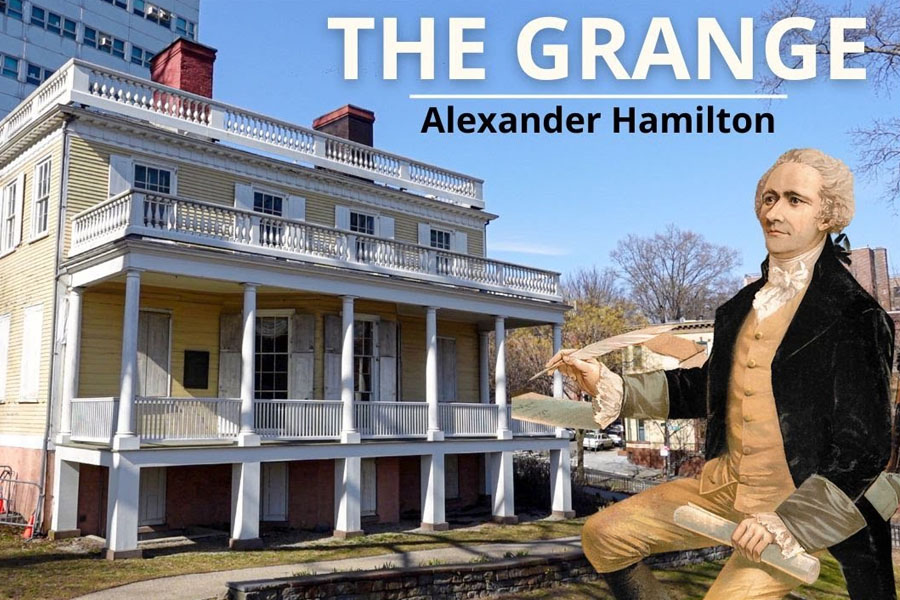
Today, Alexander’s name resonates through his grandson’s fame. The American Hamilton named his New York home “The Grange” in 1802, a nod to Scottish roots. In 2025, discussions on social platforms linked the Broadway musical “Hamilton” to Ayrshire origins, with Glasgow performances highlighting James’s birth in Stevenston. Lesser-known blogs uncover ties to Huguenot migrations and industrial shifts, painting Grange as a microcosm of broader changes.
I ponder how this laird’s life, from 1690 to 1763, seeded events that reshaped nations. His family’s migrations mirror waves crashing across the Atlantic, carrying ambition and heritage.
FAQ
Who was Alexander Hamilton of Grange in relation to the American Founding Father?
He served as the paternal grandfather. His son James emigrated to the West Indies around the 1740s, where he fathered the future U.S. Treasury Secretary in 1755 or 1757. This connection transformed a local Scottish story into a global one.
What was the size and composition of his immediate family?
Alexander and Elizabeth had 14 children: 11 sons and 3 daughters, born between 1712 and 1732. The sons included heirs and adventurers, while daughters strengthened alliances through marriages. This large household mirrored the era’s norms, blending joy with economic demands.
How did his career influence the family legacy?
As an advocate and estate manager from 1732 onward, he focused on legal and land affairs. His stewardship, amid financial constraints, allowed continuity, though it spurred emigration. This practical approach laid groundwork for descendants’ broader impacts.
What role did his ancestors play in shaping his life?
His parents and grandparents provided aristocratic ties, with the Hamilton and Cuninghame clans offering networks. Great-grandparents like William Stephen extended the dynasty’s reach, ensuring inherited status that Alexander maintained through 1763.
Why is the Grange estate significant?
Rooted in medieval times, it symbolized modest nobility in Ayrshire. Alexander’s management from 1690s to 1763 preserved it, later inspiring his grandson’s New York property. It stands as a beacon of enduring heritage amid change.